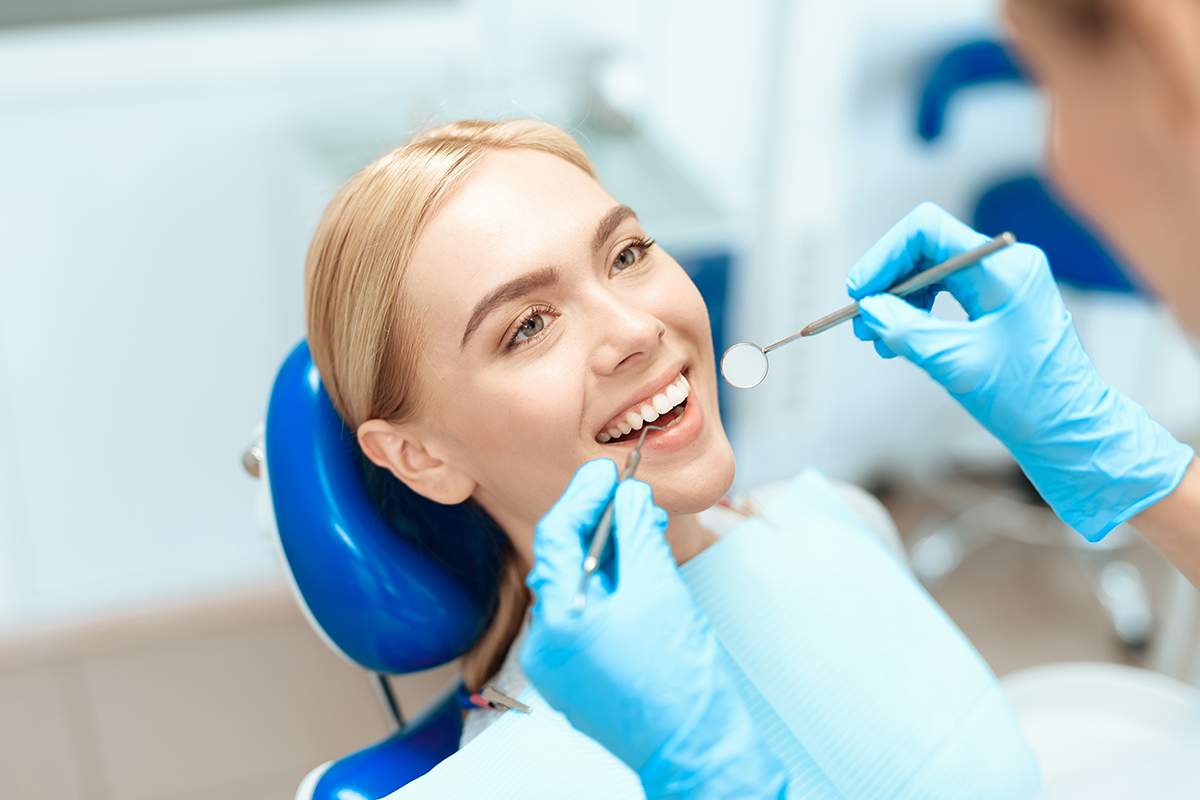

Dental Bonding in Bellevue, WA
Dental bonding is an alternative to teeth veneers and can be used as a restorative procedure for teeth that are chipped, cracked, discolored or misarranged.
At Exceptional Cosmetic & General Dentistry in Bellevue, dental bonding may be a good option for patients who want to correct small cosmetic imperfections without more extensive treatment.
What Is Dental Bonding?
Dental bonding, also called composite bonding or tooth bonding, involves applying tooth-colored resin directly to the surface of a tooth. The material is shaped, hardened, and polished so it blends with the surrounding teeth.
Unlike porcelain veneers or crowns, bonding often requires little alteration of the natural tooth. This makes it a useful option for relatively minor cosmetic concerns.
What Can Dental Bonding Fix?
Dental bonding may be used to improve:
-
Chipped or slightly cracked teeth
-
Small gaps between teeth
-
Uneven or irregular tooth shapes
-
Worn tooth edges
-
Teeth that appear too short
-
Minor discoloration
-
Small differences in tooth size or symmetry
Bonding works best for relatively small cosmetic changes. Larger fractures, significant tooth damage, or more complex bite concerns may require a different treatment.
Dental Bonding for Chipped Teeth
A chipped front tooth can make a smile look uneven even when the damage is small.
For minor chips, composite resin can often be added directly to the damaged area to recreate the missing portion of the tooth. Dr. Sayyah shapes and polishes the material to match the surrounding tooth as closely as possible.
If the chip is large or affects the strength of the tooth, a veneer, crown, or another restorative treatment may be more appropriate.
How Does the Dental Bonding Procedure Work?
Dental bonding is typically completed directly in the dental office.
Dr. Sayyah first examines the tooth and discusses the changes you would like to make. A composite shade is selected to blend with your natural teeth.
The tooth surface is then prepared so the bonding material can adhere properly. Composite resin is applied, shaped, and hardened with a curing light. Final adjustments are made to the shape and bite before the tooth is polished.
Because the restoration is created directly on the tooth, bonding often requires fewer steps than treatments that must be fabricated by a dental laboratory.
Benefits of Dental Bonding
Patients may choose dental bonding because it offers several practical advantages:
-
Conservative treatment: Bonding usually preserves more natural tooth structure than a crown or veneer.
-
Natural appearance: Composite resin can be matched to the surrounding teeth.
-
Versatility: One treatment can address chips, small gaps, uneven edges, and minor shape concerns.
-
Efficient treatment: Many bonding procedures can be completed in a single visit.
-
Repairable material: Chipped or worn bonding can often be repaired or replaced.
How Long Does Dental Bonding Last?
Dental bonding is durable, but it is not permanent.
How long it lasts depends on the location of the bonding, your bite, oral hygiene, diet, and habits such as teeth grinding or chewing hard objects.
Bonding on front teeth may experience more wear if you regularly bite into hard foods, chew ice, bite your nails, or use your teeth to open packaging.
Regular dental exams allow your dentist to monitor the bonded area and recommend repair or replacement when needed.
Does Dental Bonding Stain?
Composite resin can stain over time.
Coffee, tea, red wine, tobacco, and other highly pigmented foods and drinks can affect its appearance. Composite resin also does not whiten the same way natural tooth enamel does.
If you are considering both teeth whitening and dental bonding, whitening is often discussed first so the bonding material can be matched to the desired tooth shade.
Dental Bonding vs. Porcelain Veneers
Bonding and porcelain veneers can both improve the appearance of front teeth, but they are used for different situations.
Dental bonding is often best for smaller cosmetic changes such as a minor chip, gap, or uneven edge. It is typically more conservative and can often be completed in one visit.
Porcelain veneers cover the front surface of the tooth and may be better suited for patients who want to make more significant changes to tooth color, size, shape, or overall smile symmetry.
Veneers may also offer greater stain resistance and durability than composite resin.
Dr. Sayyah can help you compare both options based on your goals, tooth structure, bite, and long-term expectations.
Is Dental Bonding Right for You?
Dental bonding may be appropriate if your teeth and gums are healthy and you want to correct a relatively minor cosmetic concern.
Another treatment may be recommended if you have:
-
Significant tooth decay
-
A large fracture
-
Severe tooth wear
-
Major alignment problems
-
Heavy teeth grinding or clenching
-
A tooth that needs significant structural support
The best way to determine whether bonding is appropriate is through a dental examination.
How to Care for Bonded Teeth
Bonded teeth do not require special daily care, but protecting the restoration can help it last longer.
Brush twice a day, floss daily, and maintain regular dental cleanings and exams. Avoid chewing ice, biting hard objects, or using your teeth as tools.
If you grind or clench your teeth, ask your dentist whether a nightguard may help protect your teeth and restorations.
Frequently Asked Questions About Dental Bonding
Is dental bonding painful?
Bonding used for cosmetic changes is generally a conservative procedure. Whether anesthesia is needed depends on the tooth and the amount of treatment required.
Can dental bonding close gaps?
Bonding can sometimes close small spaces between teeth by adding composite resin to one or both adjacent teeth. Larger gaps may be better treated with orthodontics or another cosmetic option.
Can dental bonding fix a cracked tooth?
Minor surface defects may sometimes be treated with bonding. Deeper cracks or structural damage require a dental examination and may need more extensive treatment.
Can bonded teeth be whitened?
Composite bonding does not respond to whitening products like natural enamel. Patients considering both treatments should usually discuss whitening before the final bonding shade is selected.
Can dental bonding break?
Yes. Composite resin can chip or fracture, particularly when exposed to excessive biting forces, teeth grinding, or hard objects.
Can damaged bonding be repaired?
In many cases, damaged bonding can be repaired. If the restoration is significantly worn or compromised, replacement may be recommended instead.
Dental Bonding in Bellevue, WA
Exceptional Cosmetic & General Dentistry provides cosmetic dental bonding for patients in Bellevue and surrounding communities, including Redmond, Kirkland, and the Bel-Red area.
If you have a chipped tooth, small gap, uneven edge, or another cosmetic concern, Dr. Neda Sayyah can evaluate your smile and determine whether dental bonding, porcelain veneers, or another cosmetic treatment is the best option.
Contact Exceptional Cosmetic & General Dentistry in Bellevue to schedule a cosmetic dentistry consultation.